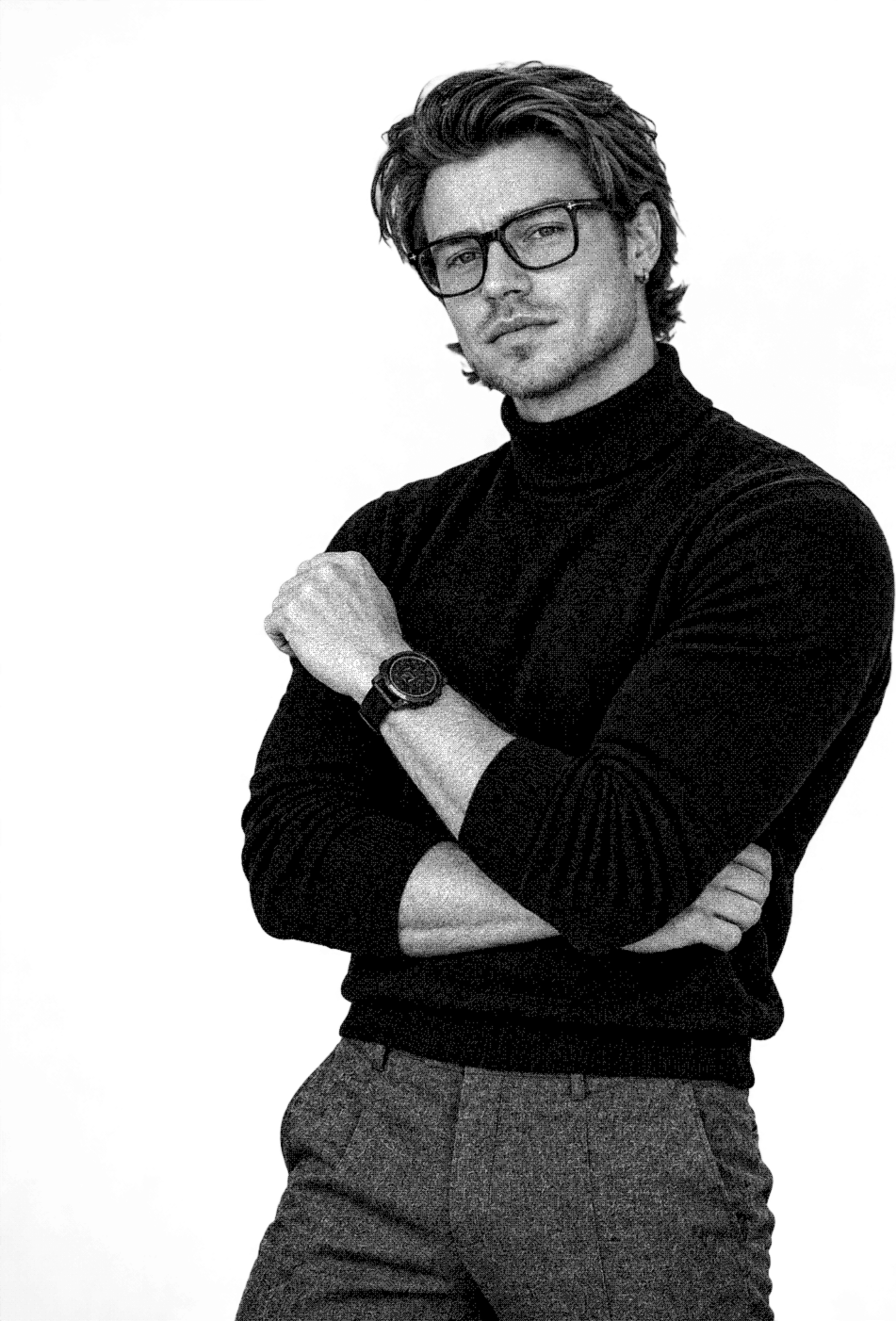
Hi, I'm a product designer at casa.io, building products that help people self-custody their bitcoin, and the financial services around it.
10+ years designing digital products. Based in Toronto, Ontario.
Companies I’ve designed for


Experience6
Selected roles
Selected work{{ workCount }}
About me
I'm a product designer with over a decade in the field. Currently, I'm at casa.io, designing security products that help people and companies hold their own bitcoin and stablecoins, and the financial services around them, on mobile and web. I help shape the visual direction, and some of my projects go all the way from the first idea to code running in production.
Before that, I spent years across agencies and product teams, designing for companies like Carlsberg Canada, Scotiabank, and Right At Home Realty. I've led design teams, built complex design systems for enterprises, mentored junior designers, and helped startups launch their first products.
Most of my work comes down to understanding a problem well enough that the answer looks obvious. I make decisions backed by research and data, and I work closely with engineers, product managers, and stakeholders across the business to get there. I design with a focus on clarity, systems, and craft. With a computer science degree, I'm comfortable in code, and these days I build almost as much as I design.
Outside work, I'm usually with my newborn daughter, figuring out how to fit some new piece of AI into my life, training for my next HYROX, or riding my motorcycle.
My expertise6
Agentic design
Prototyping and building with Claude Code, Codex and Cursor, from first idea to shipped code.
Design systems
Components, tokens and documentation that designers, engineers and AI agents build from.
Fintech & bitcoin
Bitcoin self-custody, multisig, buying and selling, and controls for organizations.
Product design
User flows and high-fidelity UI for web and mobile, validated by real users early.
Research & synthesis
Interviews, usability testing and analytics, turned into clear decisions.
Accessibility & inclusion
Making sure everyone can use the product, regardless of their abilities.
My tool stack{{ stackCount }}
No tool by that name. Try “fig”, “claude” or clear the search.
My why
The best design is the kind nobody notices. A door that opens the way your hand expects (hello, Don Norman). An app that never needs a tutorial. A payment that just goes through, so you sleep well at night (hello, Bryan Johnson). Behind each one, someone made a hundred decisions so you wouldn't have to make one.
That's what I'm always trying to do: don't make people think (hello, Steve Krug). Take something complicated, like two people on different continents signing off on one payment, and make it feel like replying to a text message.
I started designing over fifteen years ago, back in the Photoshop paleolithic, helping a local seed store set up its online shop. From the first conversation, I was hooked on their business: what worked, what didn't, why, and what we could change so customers left happy and the shop did well.
Fifteen years later, that curiosity has only grown. I still get excited by every new problem: understanding what's really in the way for the user or the business, finding the most creative way to approach it, and making the design disappear so both sides win.
Recently, a client emailed us about the most complex part of our product, the one we'd taken through round after round of user testing. It was one of the nicest emails I've ever read. He said how easy it was, and that he'd recommend us to everyone he knows. He never saw the rounds, the dead ends, or the versions we threw away. He just saw that it worked. That's the moment that makes me love what I do.
Designs I love6
-
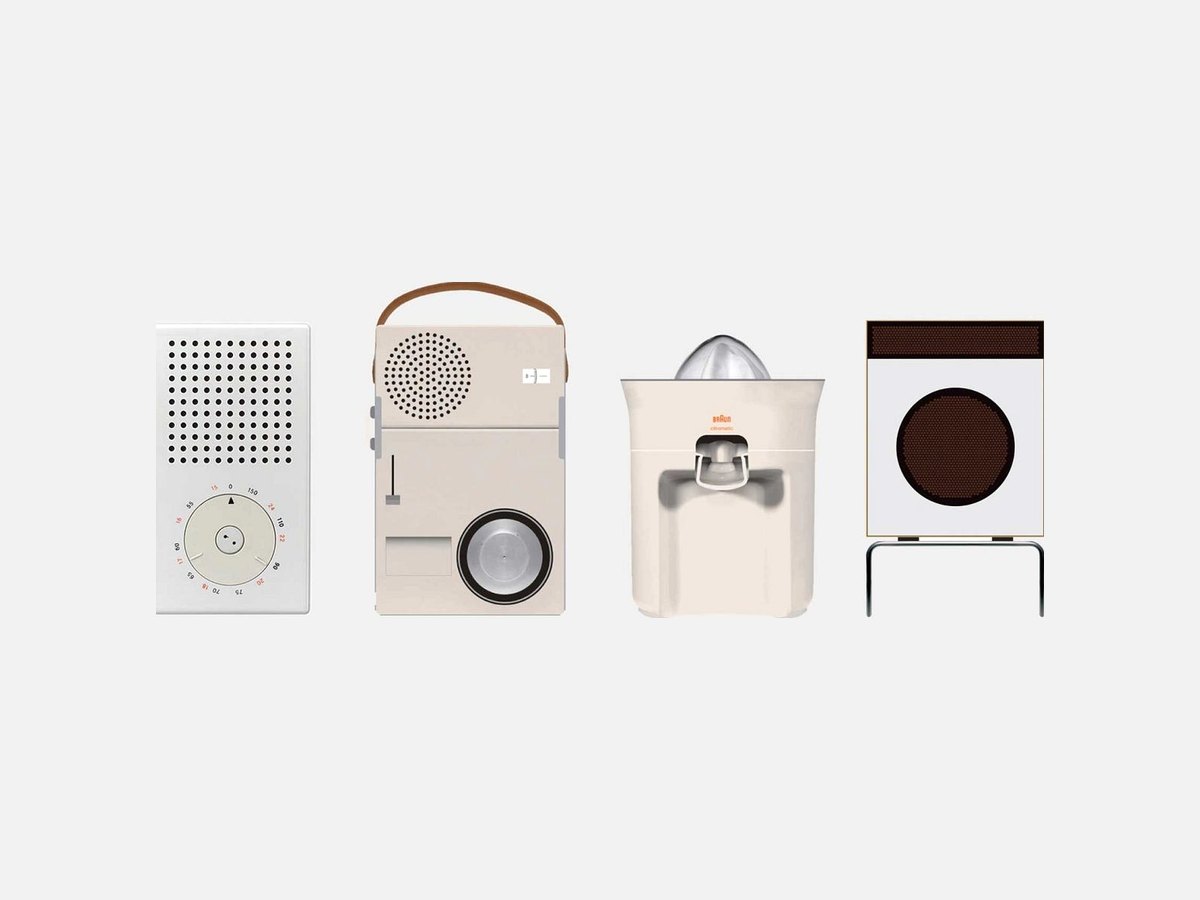
Industrial design at its peak. Something that pleases your eye, and you know how to use it the second you see it. Decades later, it inspired Jony Ive’s iPod, and it still looks like it could be designed today. It looks timeless.
-
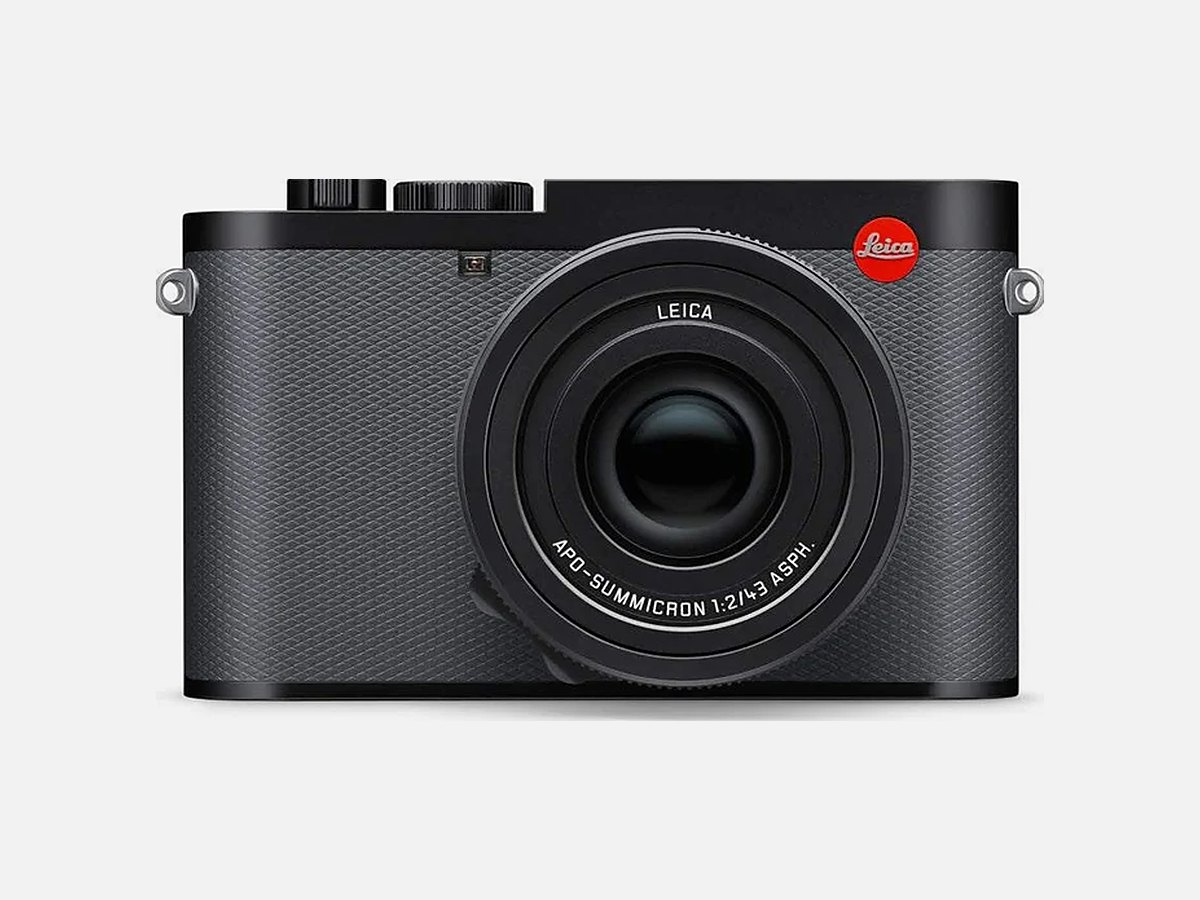
Pick it up and you feel it. Every dial and every click sits exactly where it should, so you never second-guess what to do next. It feels premium and built to last, and even if you’re not a photographer, it’s a pleasure just to look at this camera. Which is how they get you to pay that price.
-
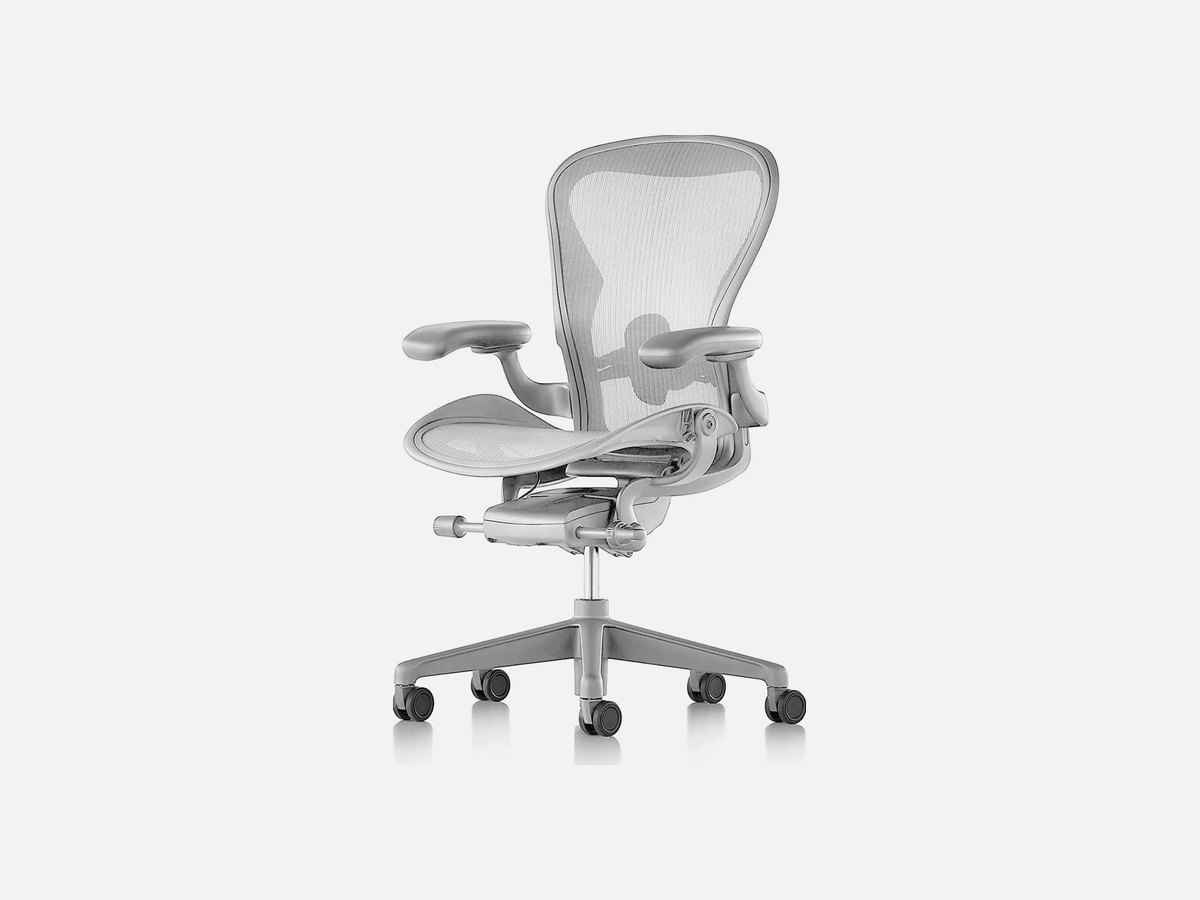
I sit 10 to 12 hours a day, so a chair can make or break my work. The Aeron is the one your back never notices, and that’s the point. The chair is the most designed furniture object in the world, and they absolutely nailed it.
-
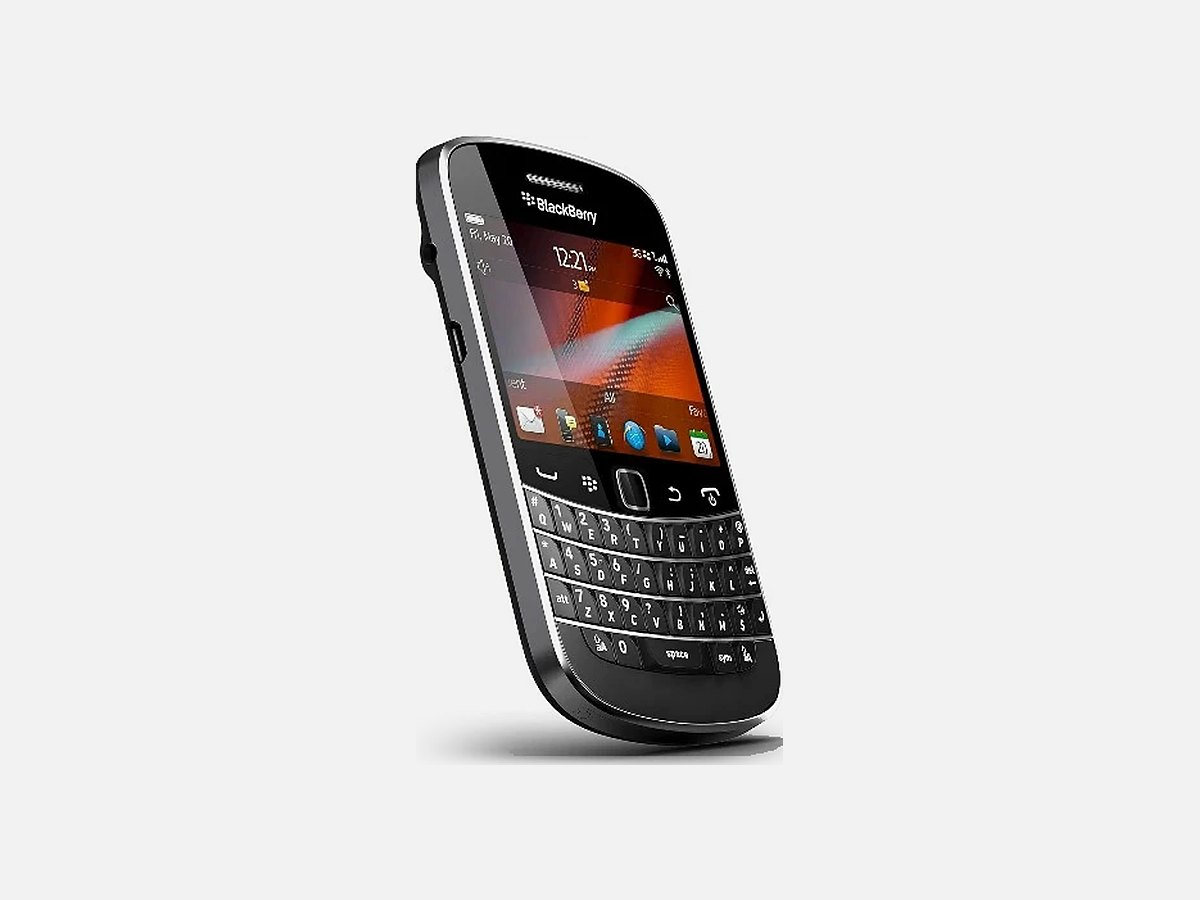
If you’ve ever held a BlackBerry, you know. A real QWERTY keyboard with a ridge on every key, so you could type a whole message without looking down. Nothing on glass has matched it. Then touchscreens took over, BlackBerry didn’t adapt, and it’s a lesson for all of us: adapt or die. Still love their design tho.
-
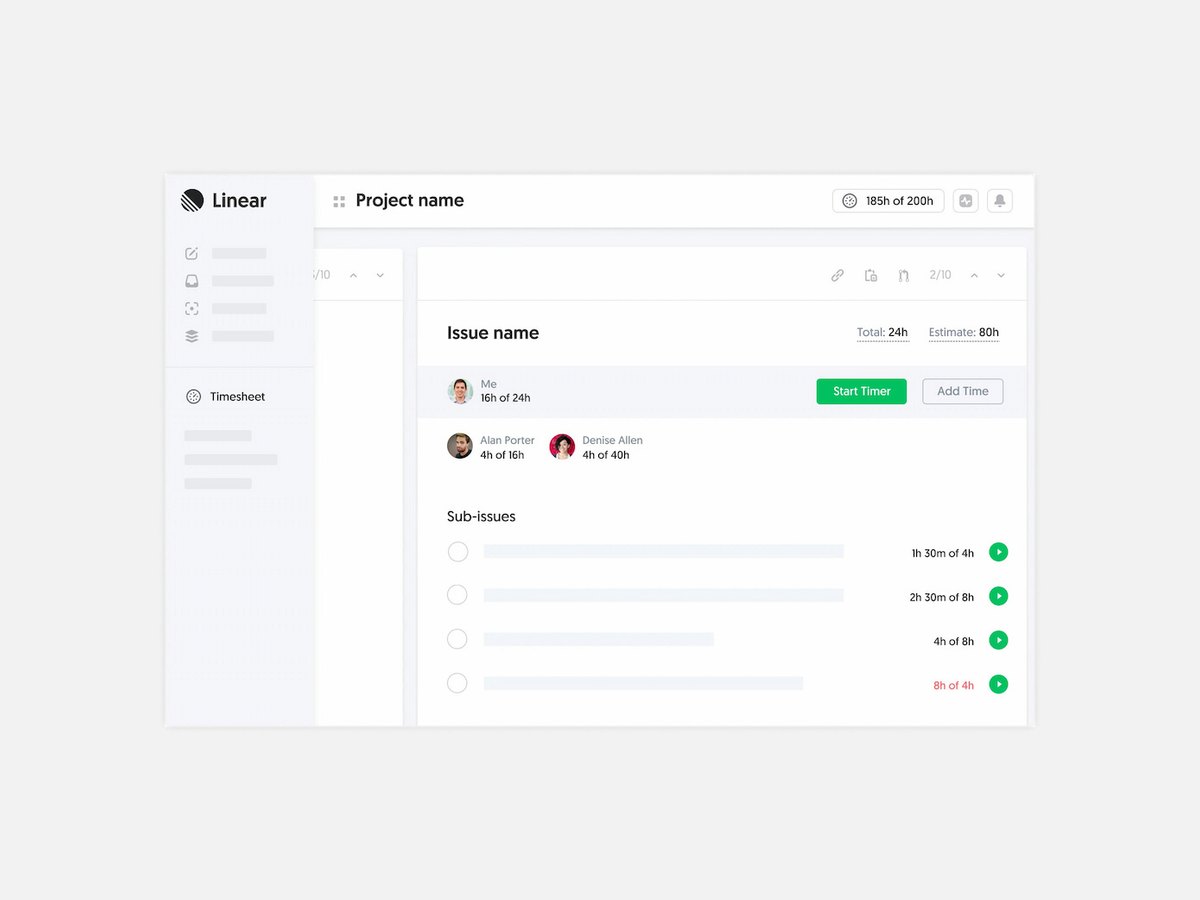
If you’ve used Jira, you know how heavy a tool can get. Jira is powerful, and I still like parts of it, but it asks a lot of you. Linear does the same complex job and makes it feel light, because a product designer built it. Now it’s adapting to agents too, and it’s a pleasure for any product team.
-
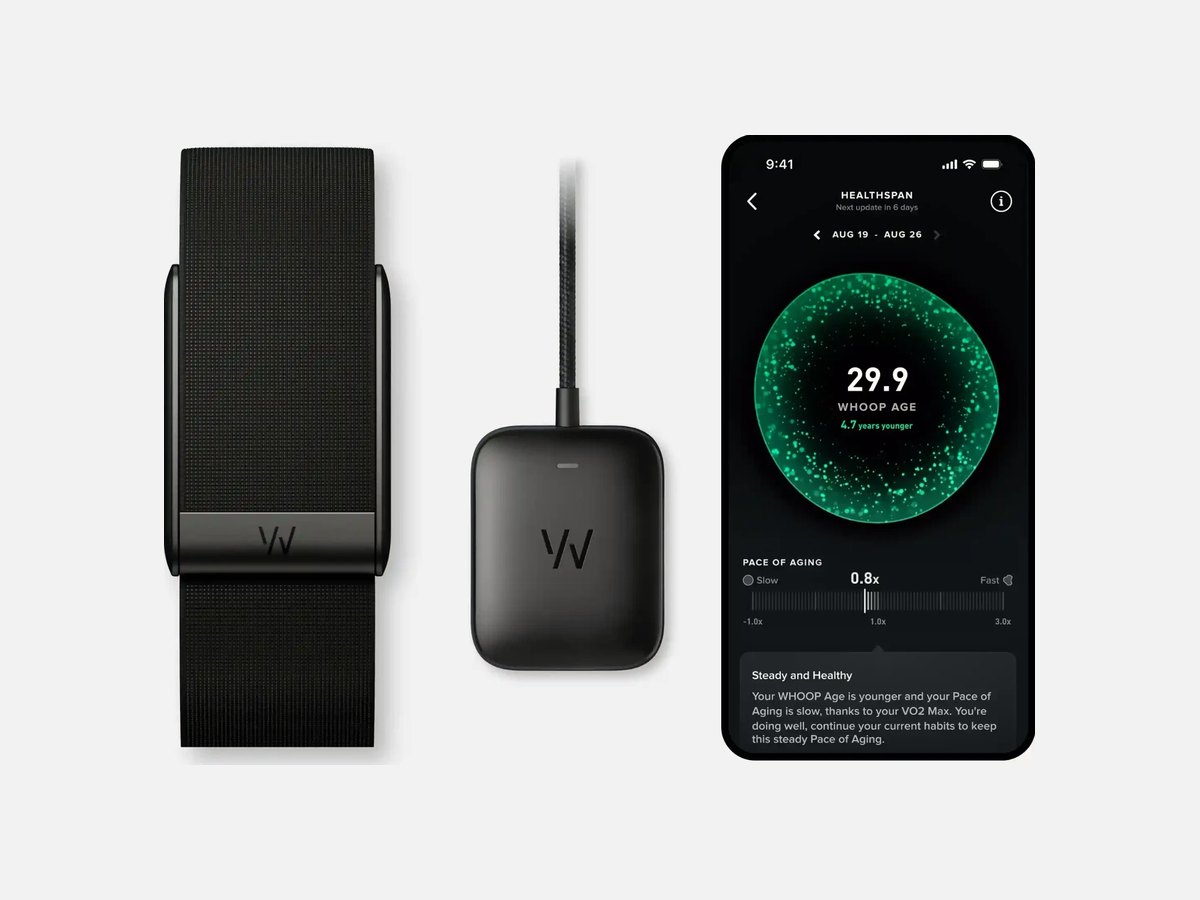
Most wearables look silly, and sleeping in them is no fun. An Oura Ring is great until you’re holding something in your hand when you exercise. Garmin is great, but heavy to sleep in. And Whoop is just a simple strap with no screen and no stream of notifications, just the things that matter about your health. Open the app and it already knows you. It’s changed a lot of lives for the better and this is what great product should do.
Beyond product design
Things I make for fun: photography, drawings and small projects I build for myself.
Selected work{{ workCount }}
{{ caseTitle }}
{{ caseSub }}
{{ sec.heading }}
{{ galTitle }}
{{ galIntro }}
{{ c.caption }}
No tool by that name. Try “fig”, “claude” or clear the search.
New site coming soon

Looks like you’re lost
Not built yet
{{ stubTitle }}
This route is wired up but the page has not been recreated yet. Home is done first, per the build order.